What is a 5086 aluminum alloy?
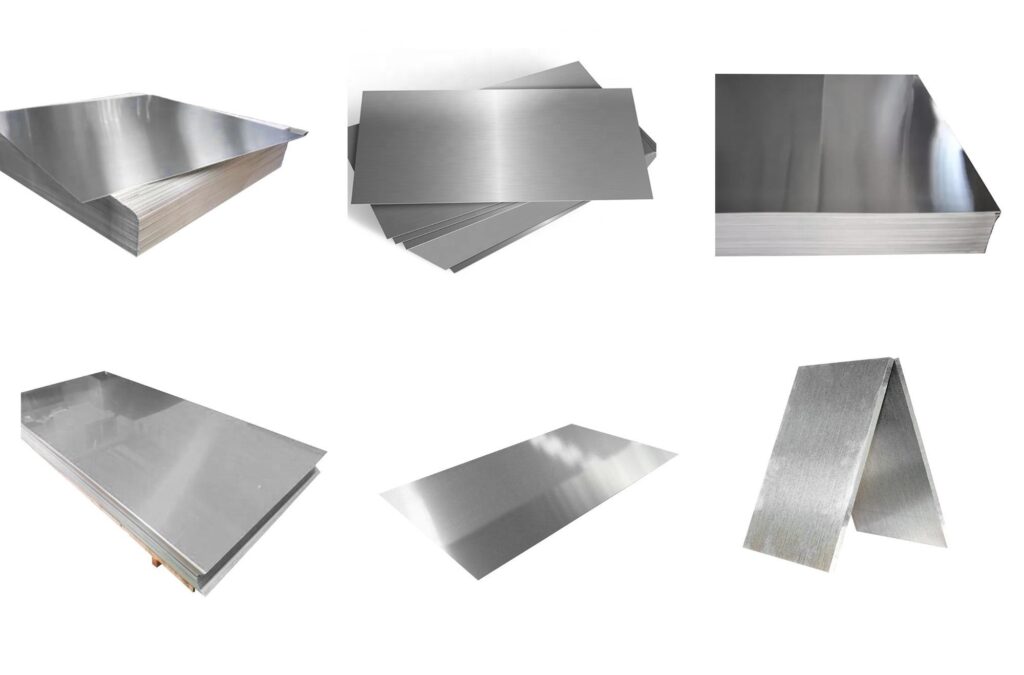
5086 aluminum is a combination of aluminum and magnesium. It is mostly made of magnesium, which makes it strong and resistant to rust.
The 5xxx line of alloys is famous for being very strong and not rusting, especially in salty or acidic settings. When compared to other metals in the 5xxx line, like 5052 and 5083, 5086 stands out because it is stronger. Although 5083 and 5086 aluminum have some of the same properties, 5086 is more resistant to rust and has a better mix of strength and weldability.
What is the chemical composition of 5086 aluminum alloy?
The typical chemical composition of 5086 includes:
- Aluminum (Al): 95.4%
- Magnesium (Mg): 3.5% – 4.5%
- Chromium (Cr): 0.05%–0.25%
- Manganese (Mn): 0.2% – 0.7%
- Copper (Cu): Maximum 0.1%
- Iron (Fe): Maximum 0.5%
- Silicon (Si): Maximum 0.4%
- Titanium (Ti): Maximum 0.15%
- Zinc (Zn): Maximum 0.25%
What are the common forms of aluminum 5086?

5086 aluminum comes in a lot of different shapes and sizes, such as sheets, plates, extrusions, and tubes. Each form serves a different purpose in different situations.
- Sheets are often used in manufacturing parts that require bending or forming.
- Plates are typically used in structural applications where thickness is essential.
- Extrusions allow for complex shapes that can be tailored for specific needs.
What are the key properties of 5086 aluminum?
Mechanical Properties
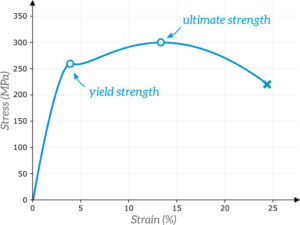
One great thing about 5086 aluminum is that it has great tensile qualities. It’s a good mix between strength and weight, with a tensile strength that runs from 45,000 to 60,000 psi (310 to 414 MPa). It can have a yield strength between 30,000 and 50,000 psi (207 to 345 MPa), which means it can be used in a lot of different construction situations.
Corrosion Resistance
5086 aluminum doesn’t rust easily, even in naval settings where it’s exposed to saltwater and other things that rust. One main reason it is used to build ships, boats, and buildings that are out at sea is because of this. The metal is resistant to pitting, stress corrosion, cracking, and other types of degradation in part because it has a lot of magnesium in it. It also works well in conditions that are both acidic and basic.
Weldability and Formability
Another significant feature of 5086 aluminum is its exceptional welding capability. The alloy is easily welded using TIG (Tungsten Inert Gas) and MIG (Metal Inert Gas) welding procedures. It also maintains a high level of strength even after welding, which is significant in applications requiring structural integrity.
While 5086 is very easy to mold and shape, its increased strength can make it more difficult to manufacture than other aluminum alloys. However, because of its strength and formability, it is an excellent choice for a variety of structural components.
Thermal and Electrical Conductivity
Like other aluminum alloys, 5086 has good thermal and electrical conductivity. Due to the presence of magnesium, its conductivity is somewhat lower than that of pure aluminum. Nonetheless, its thermal characteristics remain outstanding, making it appropriate for use in heat exchangers and related applications.
Strength Characteristics
The strength of 5086 aluminum varies with different tempers:
- O Temper: yield strength of about 120 MPa (17 ksi) and ultimate tensile strength of approximately 260 MPa (38 ksi).
- H32 Temper: Yield strength increases to roughly 195 MPa (28.3 ksi), with an ultimate tensile strength of around 208 MPa (30.1 ksi).
- H116 Temper: The yield strength can reach up to 210 MPa (30 ksi), with an ultimate tensile strength of about 290 MPa (42 ksi).
Elongation percentages also vary by temper, indicating the material’s ductility under stress.
Hardening and Treatment
5086 aluminum is not strengthened by heat treatment, but rather by strain hardening or cold working techniques. This feature enables it to retain its mechanical qualities even after welding.
What are the fabrication and processing of 5086 aluminum?
Welding
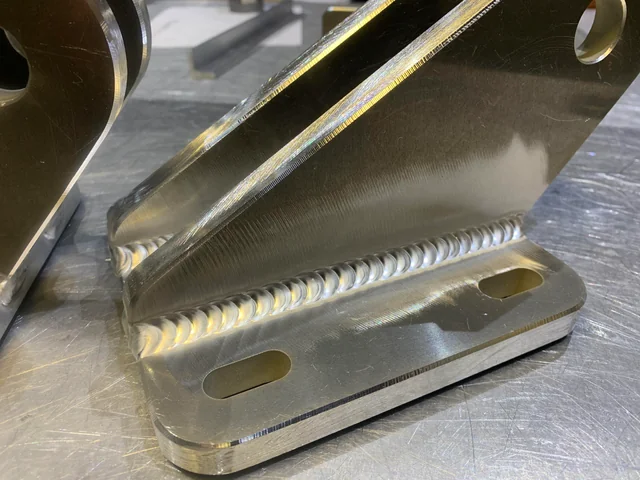
To obtain strong and durable welds with 5086 aluminum, it is critical to employ the proper welding procedures. TIG and MIG welding are the most often used technologies, however it is critical to select proper filler materials and processes to avoid problems such as cracking. A post-weld heat treatment can be used to relieve stress and restore the alloy’s mechanical characteristics.
Machining and Cutting
5086 aluminum is more difficult to manufacture than alloys like 5052, but it can still be done with the correct tools and procedures. CNC machining and precision cutting are standard methods for creating unique parts, but operators must account for the material’s increased strength.
Surface Treatments
5086 aluminum can be anodized or painted to improve its surface qualities. Anodizing improves corrosion resistance and offers a decorative finish, whilst painting adds another layer of protection, especially in architectural applications.
What are the applications of 5086 aluminum?
The distinctive features of 5086 aluminum make it suited for a variety of demanding sectors. Here are the most popular apps.
Marine and Shipbuilding
Shipbuilding and marine sectors use 5086 aluminum extensively. Its seawater corrosion resistance makes this alloy valuable for shipbuilding, boatbuilding, and other maritime constructions. 5086 aluminum is used in commercial and military ship hulls, decks, and superstructures. Offshore platforms, docks, and maritime equipment exposed to extreme ocean conditions employ it.
Common uses include:
- Boat hulls
- Yacht superstructures
- Vessel gangways
- Marine components
Transportation and Aerospace
In automotive and aerospace, weight and strength are key material selection factors. 5086 aluminum is used to make lightweight car and plane parts. It is used to make lightweight, strong body panels, frames, and structural components for land and air transport. The lightweight alloy’s exceptional stress resistance makes it a good aerospace choice.
Construction and Structural Uses
In construction, 5086 aluminum is used for structural applications that require corrosion resistance and strength, including as bridges, walkways, and exterior cladding. It is also utilized for structural support components in structures exposed to harsh environmental conditions.
Chemical and Pressure Vessel Storage
Tanks and pressure vessels for chemical and hazardous compounds are often made with 5086 aluminum. It resists corrosion and stays strong even when exposed to harsh chemicals. Pressure vessel and pipeline applications benefit from the alloy’s strong pressure resistance.
What are the advantages of using 5086 aluminum?
Using aluminum alloy 5086 comes with several advantages:
- Corrosion Resistance: Its strong resistance against seawater corrosion makes it ideal for marine applications.
- High Strength-to-Weight Ratio: This property allows for lighter structures without compromising strength.
- Weldability: The ability to be easily welded enhances its usability across various fabrication processes.
- Formability: It can be easily shaped into different forms without losing structural integrity.
- Recyclability: Like most aluminum alloys, it is recyclable, contributing to sustainable practices in manufacturing .
What are the challenges when working with 5086 aluminum?
While there are numerous benefits associated with using this alloy, there are also challenges that engineers must consider:
- Stress Corrosion Cracking: As mentioned earlier, under certain conditions, this alloy may be susceptible to stress corrosion cracking.
- Cost Considerations: Depending on market conditions, the cost of high-quality aluminum alloys may fluctuate.
- Limited Heat Treatment Options: The inability to increase strength through heat treatment means reliance on cold working processes, which may not always be feasible depending on design requirements.
Frequently Asked Questions (FAQs) about 5086 Aluminum
What makes 5086 aluminum better for marine environments than other alloys?
5086 aluminum has higher corrosion resistance to seawater and salt exposure, making it more durable in maritime conditions than other alloys such as 5052 and 5083.
Can 5086 aluminum be anodized?
Yes, 5086 aluminum may be anodized, however the magnesium presence may result in a somewhat darker finish than pure aluminum or other alloys.
Is 5086 aluminum more expensive than 5052?
Yes, 5086 is often more expensive than 5052 due to its higher strength and corrosion resistance, particularly in tough marine or industrial applications.
How does welding affect the strength of 5086 aluminum?
Welding 5086 may lower its strength, particularly in thicker pieces. Proper welding procedures and post-weld heat treatment are critical for retaining structural integrity.
What is the maximum temperature 5086 aluminum can withstand?
5086 aluminum can endure temperatures as high as 150°C (302°F) before losing considerable strength. Beyond that, its mechanical characteristics could deteriorate.
Conclusion
5086 aluminum excels in high-strength, corrosion-resistant, and durable applications. In maritime, aerospace, automotive, and industrial applications, 5086 aluminum’s specific qualities make it reliable and adaptable. Understanding its strengths and weaknesses helps you decide when and where to employ this amazing substance.
5086 aluminum will remain important in many industries as demand for lightweight, robust, and corrosion-resistant materials rises. For your next project, choose 5086 aluminum for a ship hull, aircraft component, or chemical plant structural element.