Types of Stainless Steel
Austenitic Stainless Steel
austenitic stainless steel is commonly used. They are well-known for not rusting, being flexible, and being easy to weld. It is not magnetic and can’t be made harder by heating it. Austenitic steels are types 304 and 316. A lot of different types of tools use these steels, like gas engines for factories and buildings.
Ferritic Stainless Steel
Ferritic stainless steels have about 12% chromium and are magnetic due to their body-centered cubic grain structure. They have lesser corrosion and heat resistance than austenitic steels, but they are more resistant to stress corrosion cracking. Ferritic steels, such as Types 430 and 446, are widely utilized in automobile parts and kitchen appliances.
Martensitic Stainless Steel
Martensitic stainless steels are noted for their great hardness and strength, which can be enhanced with heat treatment. They typically have worse corrosion resistance than austenitic and ferritic steels. Martensitic steels, such as Types 410 and 420, are employed in cutlery, surgical tools, and valves because of their hardening and tempering properties.
Duplex Stainless Steel
Duplex stainless steels have a composition that is a mix of austenitic and ferritic phases. This makes them stronger and better at resisting stress corrosion cracking. Also, they contain less molybdenum and nickel than austenitic types, which makes them cheaper. People use duplex grades, like 2205 and 2507, in the oil and gas industry, in chemical processes, and in the marine industry.
Precipitation Hardening Stainless Steel
Precipitation-hardening stainless steels (PH steels) are distinguished by their high strength and outstanding corrosion resistance. Heat treatment can be used to harden them and increase their yield strength. Common PH grades include 17-4 PH and 15-5 PH, which are utilized in aerospace components, oil and gas equipment, and nuclear reactors due to their great durability and reliability.
Choosing the Right Stainless Steel Alloys Grade
SS Grade 17-4
SS Grade 17-4 is a martensitic stainless steel with high strength and excellent corrosion resistance. It contains up to 30% chromium, which makes it more durable. This alloy’s ability to tolerate hostile environments and high-stress situations makes it perfect for use in oil and gas, aircraft turbines, and nuclear reactors.
SS303
SS303 is an austenitic stainless steel that is very easy to work with. It’s not too expensive and doesn’t rust, so a lot of people use it to make nuts, bolts, screws, airplane parts, and electrical gear. But it can’t be used in the sea environment, and heating it doesn’t make it harder.
SS304
SS304 is one of the most popular stainless steel grades available. It offers excellent weldability, machinability, and corrosion resistance. This makes it useful for a wide range of applications, including architecture, heat exchangers, food handling equipment, and automotive parts. Despite its flexibility, SS304 is subject to stress corrosion cracking in some conditions.
SS416
SS416 is considered the most machinable stainless steel. It has moderate corrosion resistance and high machinability, making it ideal for nuts, bolts, shafts, gears, valves, and pumps. However, it may be more suited to marine or chlorine-saturated settings, as well as having improved weldability.
| Property/Grade | SS 17-4 | SS303 | SS304 | SS416 |
|---|---|---|---|---|
| Type | Martensitic | Austenitic | Austenitic | Martensitic |
| Chromium Content | Up to 30% | Moderate | Moderate | Moderate |
| Corrosion Resistance | High | Good | Good | Moderate |
| Machinability | Moderate | Excellent | Good | Excellent |
| Applications | Oil & Gas, Turbines, Nuclear Reactors | Nuts, Bolts, Screws, Aircraft Fittings | Architecture, Heat Exchangers, Food Equipment | Nuts, Bolts, Shafts, Gears |
Advantages of Stainless Steel in CNC Machining
High Tensile Strength
High tensile strength means that stainless steel can handle strong pulling or bending forces without breaking. This trait is very important for things that will be bent and rolled a lot over the course of their life. Stainless steel is stronger than mild steel, brass, and aluminum metals. This makes it a great choice for parts that need to be strong and last a long time.
Stability at Low Temperatures
Specific grades of stainless steel are stable even at low temperatures. Austenitic steels, for example, maintain exceptional toughness and tensile strength below 0 degrees Celsius. This makes stainless steel appropriate for use in cryogenic conditions. However, not all stainless steel grades have this feature, so selecting the proper one for your specific requirements is critical.
Corrosion Resistance
The fact that stainless steel doesn’t rust is one of its best qualities. It won’t rust or stain even when it’s exposed to water, chemicals, and high or low temperatures. Because stainless steel has chromium in it, which makes a protected layer on the top, it is strong. So, stainless steel is great for both indoor and outdoor uses because it lasts a long time and doesn’t need much upkeep.
Challenges in CNC Machining Stainless Steel

Struggling with low-quality parts? Lost time and money? Choose our CNC stainless steel machining. Get precise, durable components.
Overheating Issues
Stainless steel has low thermal conductivity, therefore it heats up quickly during machining. This quick heat buildup can harm both the stainless steel and the tools utilized. Overheating can cause tool wear, decreased precision, and possibly material distortion. Effective heat management is critical to maintaining the quality of machined items.
Surface Finish Difficulty
Achieving the proper surface finish on stainless steel components can be difficult. Unlike other metals, stainless steel’s surface finish affects not only its appearance but also its corrosion resistance, electrical characteristics, and weldability. Choosing the right finishing processes and keeping precision are critical to ensuring that the finished product satisfies the requisite standards.
High Technical Expertise Required
Machining stainless steel needs advanced technical skills and understanding. The improper cutting tool, speed, or technique can quickly harm the material. Stainless steel’s ability to work hard and its durability make it a difficult material for machines. Thus, trained personnel and equipment are required to produce optimal results.
Overcoming Challenges in Stainless Steel Machining
Choosing the Right Tools
Choosing the right tools is critical for successful stainless steel machining. High-quality end mills and drills, such as those composed of molybdenum or tungsten high-speed steel (HSS), can endure the stress of the operation with little wear. These tools also increase the surface polish. Avoid using tools that wear quickly since they lower machining speed and raise manufacturing expenses.
Managing Heat Generation
Heat management is critical in preventing machine problems. To efficiently manage heat, reduce the cutting speed and apply coolants. Coolants help to disperse heat and keep the material intact. If the material begins to overheat while machining, it is better to stop and allow it to cool before continuing. This method improves precision and prevents harm.
Managing Chip Formation
Chip formation can be a major issue when cutting stainless steel. Using pecking and chip-breaking cycles improves chip formation and prevents lengthy, stringy chips. Regularly inspecting tools for wear is also important, as worn tools produce more chips. Implementing these principles can increase the efficiency of the machining process while also improving the quality of the finished product.
Common Issues and Solutions in Stainless Steel Machining
Overheating
Because of its poor thermal conductivity, stainless steel is prone to overheating during machining. This can cause tool wear and material deformation. To avoid overheating, monitor the workpiece temperature and use appropriate coolants. Reducing cutting speed and using sharp tools can also help with heat buildup.
Tool Wear
Stainless steel is a stiff material that can result in quick tool wear. High-quality, long-lasting tools, such as high-speed steel (HSS) or cemented carbides, can increase tool life. Regularly inspecting and replacing worn tools is critical for maintaining machining precision and avoiding faults in the finished product.
Chip Control
Chip formation can be an issue when cutting stainless steel since it produces lengthy, stringy chips that might jam the machine. Implementing pecking cycles and chip-breaking tools can aid with chip management. Ensuring proper chip evacuation systems promotes smooth operation and reduces machine damage.
Solutions for Effective Stainless Steel CNC Machining
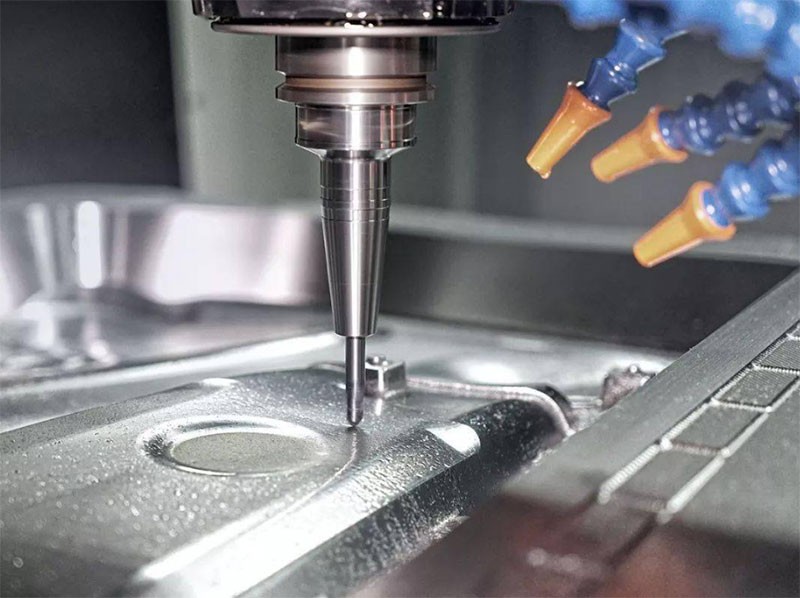
Selecting Appropriate Tool Materials
Selecting the appropriate tool materials is critical for efficiently cutting stainless steel.
High-Speed Steel (HSS)
High-speed steel tools are strong and can withstand high temperatures without losing hardness. They are appropriate for a variety of machining processes, such as drilling and milling.
Cemented Carbides
Cemented Carbide tools are a great option to HSS when higher feeds or speeds are needed. These tools produce a superior polish and have a longer tool life, making them perfect for high-production environments.
Optimizing Tool Geometry
Tool geometry is crucial to the efficiency of machining operations.
Roughing Tools
Roughing tools are meant to remove huge amounts of material quickly. They feature a strong design that can withstand the high stresses encountered during the initial machining phases.
Finishing Tools
Finishing tools have finer geometry, which results in better surface finishes. They are utilized in the final stages of machining to obtain the required precision and beauty.
Slotting Tools
Slotting tools are designed to create slots in materials. They have a unique design that allows for rapid chip evacuation and precision cutting.
High-Efficiency Milling Tools
High-efficiency milling tools are designed to increase production while preserving precision. They provide higher cutting rates and superior surface finishes.
Controlling Cutting Parameters
Proper control of cutting parameters is crucial for successful machining.
Cutting Speed (SFM)
Maintaining the proper cutting speed promotes efficient material removal while reducing tool wear. Adjust the speed depending on the hardness of the material and the type of operation.
Feed Rate
To achieve a balance between cutting efficiency and tool life, set the feed rate. A higher feed rate can boost productivity, but it can also increase tool wear if used incorrectly.
Depth of Cut
The depth of cut should be determined so that excessive force is not applied to the tool or material. It is achieving a balance that enables for efficient material removal without jeopardizing the tool’s integrity.
Using Coolants
Coolants play a vital role in managing heat generation during machining. They help to:
- Reduce friction between the cutting tool and the material.
- Lower the temperature of the cutting zone.
- Improve tool life by minimizing wear.
- Enhance surface finish by preventing overheating and material deformation.
Preventing Workpiece Deformation
To avoid deformation of the workpiece, it is essential to:
- Use rigid tooling setups to minimize vibrations.
- Maintain proper clamping to ensure the workpiece is securely held in place.
- Monitor and adjust cutting parameters to avoid excessive force on the workpiece.
Surface Finishing Options for Stainless Steel
Is the appearance important for the final product?
Do you need a reflective surface?
Polishing
Polishing is a way of polishing the joint surfaces of stainless steel. It creates a smooth, shiny surface. Most stainless steel components have a #3, #4, or #8 mirror finish. A mirror finish is popular because it reflects light and creates a polished, sleek look. Polished finishes are commonly employed where aesthetics are important, such as in consumer goods and decorative items.
Blasting and Pickling
Blasting and pickling are used to achieve a matte finish. This process involves mechanical cleaning through bead blasting, followed by chemical cleaning in a stainless steel passivation tank. The result is a modern, industrial look that can hide imperfections. This finish is favored for marine projects and other applications exposed to harsh weather conditions.
Brushing
Brushed stainless steel is created through a mild abrasion process, giving it a distinct appearance. The brushed finish is silver-gray with thin lines going across the surface. This finish does not reflect light as much as a polished finish, resulting in a more understated, refined appearance. It’s commonly employed in appliances, architectural features, and interior design.
Etching
Etching is the process of applying chemicals to the surface of stainless steel to produce patterns or textures. This technique may result in complicated patterns that are both ornamental and practical. Etched finishes are widely used in signage, art installations, and bespoke hardware. This process enables creative customisation and may improve the visual attractiveness of stainless steel objects.
Electroplating
Electroplating is the process of adding a thin coating of another metal to a stainless steel surface using an electric current. This procedure may enhance the corrosion resistance and aesthetics of stainless steel. Chromium, nickel, and gold are common metals used in electroplating. Electroplated coatings are widely used in the automobile, jewelry, and consumer electronics industries because to their increased durability and visual appeal.
Factors to Consider When Choosing Stainless Steel
Tensile Strength
When choosing stainless steel for a project, tensile strength is important. Understanding the pressures and loads that the components will face helps in selecting a material that can endure these stresses without failing. Comparing the tensile strengths of various grades will help you eliminate inappropriate solutions.
Hardness Requirements
If your project needs components with specified hardness levels, examine whether the material can be heat-treated to acquire the required qualities. Austenitic stainless steels cannot be toughened by heat treatment, which may restrict their usage in some applications. Balancing hardness with other mechanical qualities is critical for peak performance.
Magnetic Properties
For projects involving magnetism, it is critical to understand that austenitic stainless steels are nonmagnetic owing to their microstructure. In contrast, ferritic and martensitic stainless steels are magnetic. This difference is important for applications in electronic components and medical devices where magnetic interference must be reduced.
Cost Considerations
While cost is always an important consideration, it is critical to examine the whole project cost, not simply the material expenditure. Reduce the amount of machining processes and simplify component designs to save money. Furthermore, avoid requesting too specialized grades or branded materials, since they might raise prices and lead times.
Conclusion
Stainless steel is an excellent material for CNC machining because it is strong, corrosion resistant, and visually appealing. Its high tensile strength, low temperature stability, and ability to tolerate hostile conditions make it an ideal option for a variety of applications. However, it also poses difficulties like as overheating, tool wear, and reaching the proper surface quality.
Because cutting stainless steel is so difficult, it is very important to work with a trustworthy and skilled CNC machine shop. The problems that come with it can be solved by skilled machinists who have the right tools and know-how. The right shop will know how to choose the right materials, control the cutting settings, manage the heat, and put in place effective chip control measures.