What is metal surface finishing?
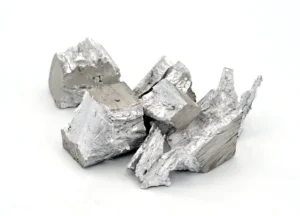
Metal surface finishing encompasses a variety of operations that modify the surface of metals using techniques such as grinding, polishing, coating, or plating. The primary goals are to preserve the metal from corrosion, increase wear resistance, and improve its visual appeal. It can be used on a variety of metals, including aluminium, steel, stainless steel, brass, and copper.
What metal surface finishing grades?
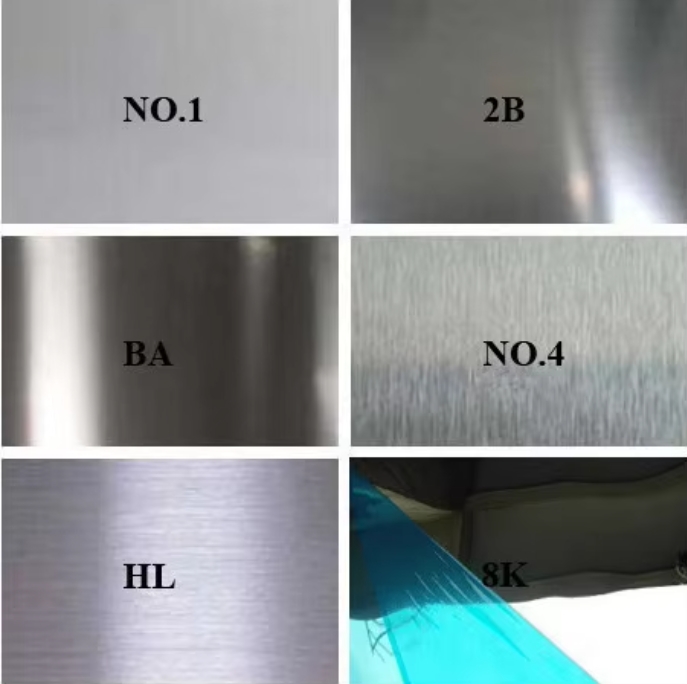
Metal finishes are frequently categorised by grades, especially in stainless steel applications.
- No. 0 Finish: The initial stage for hot-rolled and annealed metals.
- No. 2B Finish: Cold-rolled with a bright, reflective look; widely used in cookware and plumbing fixtures.
- No. 8 Finish: The highest reflecting finish created with ultra-fine abrasives, commonly used in decorative applications such as sculptures.
Why is Surface Finishing Important for Metals?
Surface finishing is an important phase in metal fabrication that affects both the performance and appearance of metal components. Its significance can be understood through a variety of key factors.
Improved durability and longevity.
A good surface finish extends the life of metal parts by making them more resistant to wear and tear. This is especially important in applications where metals are exposed to severe environments or mechanical stress.
Corrosion Resistance
Proper finishing processes, such as anodising or electroplating, form protective layers that improve a metal’s corrosion resistance. This is critical for increasing the lifespan of components used in situations prone to moisture or chemical exposure.
Improved Aesthetic Appeal
Surface finishing enhances the visual appearance of metal objects, making them more appealing to consumers. A well-finished surface can increase the perceived worth of a product, which is especially significant in competitive markets.
Better Adhesion for Coatings
Brushing and polishing improve surface texture, which allows paints and other coatings to adhere better. This not only improves the appearance but also ensures that protective coatings adhere properly, which adds to corrosion resistance.
Removal of surface imperfections
Surface finishing procedures aid in the removal of irregularities such as scratches, pits, and other flaws that can jeopardise both functionality and appearance. This results in a smoother, more uniform surface.
Increased chemical resistance.
Certain finishing procedures can improve a metal’s resistance to chemical attacks, making it appropriate for use in a variety of industrial applications involving corrosive substances.
Improved electrical conductivity
Some finishing procedures can improve the electrical characteristics of metals, making them more useful in applications that need electrical conductivity.
What are the types of Metal Surface Finishes?
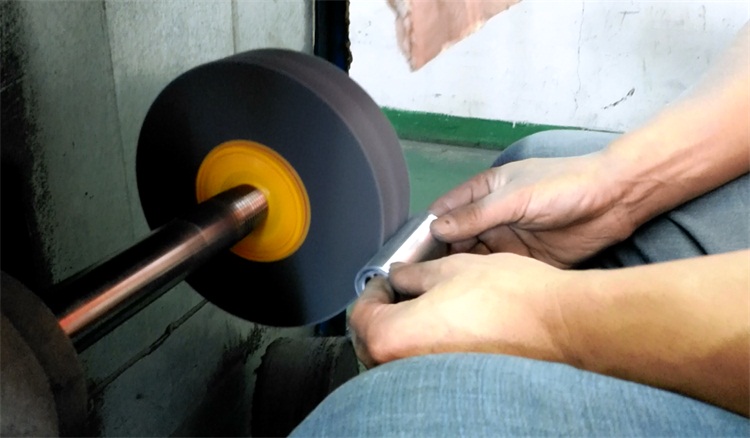
Metal surface finishes are divided into three types: mechanical finishes, chemical finishes, and electroplated finishes. Each category includes a variety of techniques that serve a variety of functions, ranging from aesthetic enhancement to increased durability and functionality. A full description of each category is provided below.
Mechanical Finishes
Mechanical finishes refer to physical procedures that change the surface of metals without the use of chemicals. These procedures are generally intended to improve surface quality, create specific textures, and prepare surfaces for future treatments. Typical mechanical finishing procedures include as below.
Buffing
Buffing is a method that creates a bright, reflecting surface by turning a cloth wheel and applying abrasive substances. Buffing is commonly used to improve the aesthetic appeal of metal pieces, making them suitable for ornamental purposes.
Polishing
Like buffing, polishing uses finer abrasives to obtain a smooth and shining surface. It is commonly used in applications that need a high level of surface quality, such as jewellery and high-end automotive parts.
Sanding
Sanding removes surface defects and prepares the metal for subsequent polishing. Sanding might result in a smooth surface or a certain roughness, depending on the grit used.
Blasting
Sandblasting and bead blasting require forcing abrasive materials at high speeds against a metal surface. This technique cleans the surface, eliminates rust and old coatings, and might result in a textured finish.
Grinding
This technique removes material off the surface with a rotating wheel containing abrasive particles, resulting in a perfect finish. Grinding is commonly used for products with strict tolerances and smooth surfaces.
Burnishing
Burnishing is the process of rubbing a harsh instrument on a metal surface to increase its smoothness and gloss. Burnishing can also increase the surface hardness, making it more wear-resistant.
Tumbling
Tumbling involves placing metal pieces in a spinning barrel filled with abrasive material. This approach is useful for deburring and polishing small parts, resulting in a consistent finish on all surfaces.
Chemical Finishes
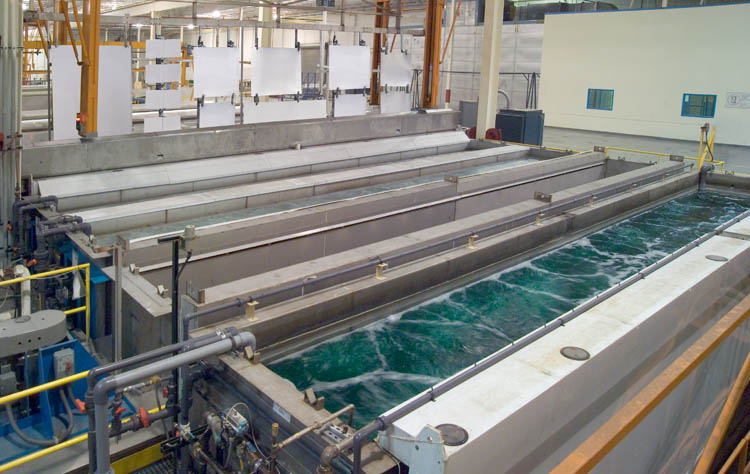
Chemical finishes use chemical reactions to modify the surface characteristics of metals. These techniques can improve corrosion resistance, coating adherence, and surface properties. Important chemical finishing procedures include:
Passivation
Passivation is the process of treating stainless steel or other metals with acid solution to eliminate free iron and promote the creation of a protective oxide layer. Passivation enhances corrosion resistance and is widely utilised in the food and medical industries.
Chemical oxidising procedures deposit a regulated layer of oxide onto the metal surface. This layer, commonly seen in black oxide coatings on steel, can improve corrosion resistance while also providing a cosmetic appearance.
Coating
Chemical coatings can be used to add extra protection or aesthetic value. Examples include powder coating, which requires depositing a dry powder that is subsequently heated to cure, and liquid coatings, which produce a smooth finish.
Phosphating
This chemical treatment involves applying a phosphate layer to improve corrosion resistance and provide a surface for paint adhesion. It’s widely used in automotive and industrial applications.
Chromating
This procedure imparts a thin layer of chromium to the surface of metals to improve corrosion resistance and provide a decorative appearance. Chromate conversion coatings are frequently used on aluminium and zinc.
Electroplated Finishes
Electroplating is a method of depositing a coating of metal onto a substrate by using electrical current. This method is commonly used to improve the appearance and performance of metal components(metal plating). Electroplated finishes are commonly used in:
Nickel plating
Nickel is well-known for its corrosion resistance and toughness. It can be used as both a decorative finish and a functional coating to improve wear resistance on components such as automobile parts and tools.
Chrome plating
This procedure creates a bright, reflecting finish that improves aesthetics while also resisting corrosion. Chrome plating is often utilised in automobile trim and household fixtures.
Zinc plating
Zinc plating is the process of applying zinc to steel objects in order to offer sacrificial corrosion resistance. This approach is commonly used in construction and automotive sectors to extend the lifespan of metal components.
Gold plating
Gold plating is a popular choice for electronics and jewellery because it provides great conductivity and corrosion protection. Thin layers are applied to improve the appearance and performance of components.
Copper plating
Copper plating is commonly used as a foundation layer for various finishes due to its great electrical conductivity. It’s often utilised in electrical components and decorative projects.
How do I choose a metal finishing process or method?
When choosing a metal surface finishing procedure, numerous key elements must be taken into account to guarantee that the process satisfies both practical and aesthetic standards. Here are the important elements to consider:
Material properties.
Understanding the characteristics of the metal being polished is vital. Different metals have unique qualities that impact the finishing procedure used.
- Hardness: To attain the appropriate surface quality, harder metals may require more severe finishing processes, such as abrasive blasting.
- Corrosion Resistance: Metals with strong corrosion resistance, such as stainless steel and aluminium, may allow for less rigorous finishing operations than carbon steel, which is more prone to corrosion.
Desired Finish Quality
The intended usage of the completed product will determine the required surface finish quality:
- Aesthetic Appeal: If appearance is important, techniques such as anodising or powder coating can improve the visual features of the metal, creating distinctive colours and textures.
- Functional Requirements: To fulfil demanding quality requirements, applications requiring high accuracy, such as medical or optical instruments, require a finer surface polish.
Environmental considerations.
Consideration of the environment in which the completed product will be utilised is critical.
- Exposure to Elements: If the metal will be utilised outside or in hostile circumstances, endurance and resistance to wear and corrosion are critical. This may need the use of extra protective treatments, such as UV and moisture-resistant coatings.
Production Speed and Costs
The efficiency of the finishing process may have a major influence on production timetables and prices.
- Budget Constraints: The chosen finishing procedure should adhere to cost constraints while maintaining quality requirements. Some procedures may be more cost-effective than others, depending on manufacturing volume and needed final complexity.
- Production Speed: Certain finishing procedures are faster than others. For example, vibratory finishing can be faster than manual polishing, which is useful in high-volume production.
Application Specific Requirements
Different applications may have specific requirements that impact the choice of finishing procedure.
- Electrical Conductivity: Finishes such as plating or anodising can improve the performance of electrically conductive components such as circuit boards.
- Mechanical Properties: The finishing process can also have an impact on the metal’s mechanical qualities, such as strength and wear resistance, both of which are important for high-stress components.
Metal surface finishing improves component longevity, corrosion resistance, and aesthetics using processes such as grinding, polishing, coating, and plating. Metals such as aluminium, steel, stainless steel, brass, and copper benefit from proper finishing processes because they last longer, work better, and have higher market value. As a result, selecting the appropriate surface finishing procedure is critical to meeting specific application requirements.