What Exactly is Rapid Machining?

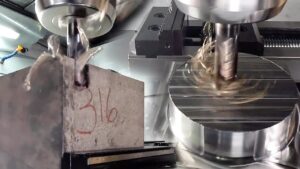
Rapid Machining is about how fast you can make something. If you thinkabout traditional machining it’s all about mass production. When werefer to rapid machining we’re talking about a quick turnaround and ideationor prototyping. It’s about using the most effective technology and processesto produce high-quality parts in record time.
By saying rapid we mean how fast you’re making something. A ty21 FYIabout traditional machining is it is all about mass production. Adamantly.We’re talking about rapid machining. We’re talking about how fast you canget it back and then translate it into a prototype. Or you want to be able tomake end-use parts quickly.
How It’s Different from Traditional Machining?

Traditional machining is slow. It’s rigid. It takes time. You are on thehook for lead times. It’s hard to make changes in the design. Rapid machining is fast. You can make last-minute changes and tweak the design soyou don’t have to wait or be at the mercy of the people out on the shopfloor. Rapid machining also uses software technology and tools to cut outdelays.
How Rapid Machining Speeds Up Product Development?

The speed of rapid machining has a huge impact on product development. It lets engineers and designers put their ideas to the test and learn much more quickly with rapid prototyping. This makes the learning curve much faster than it would be with trial and error (which could drag out for months otherwise).
In today’s cutthroat market the winner is usually the one that gets there first. If you can leverage rapid machining to shorten the time it takes to make your product you can beat your competition to the market and win. It means you probably get a bigger slice of the pie more profit and a stronger brand. As in racing it’s not just about getting there first it’s about staying out in front.
How Does Rapid Machining Work?

The Tech Behind Rapid Machining
A number of advanced technologies make rapid machining possible today,working together to provide the speed and accuracy you need. Here is how it all works:
- High-Efficiency Machining Equipment: In today’s world of rapidmachining the machines themselves are the stars of the show. Theseadvanced machines perform what used to be several different tasks,requiring human intervention on the part of an operator. Of course all ofthis has been computerized to speed everything up and eliminate humanerror as much as possible.
- Advanced Software and Controls: There are all kinds of computer-aideddesign (CAD) and computer-aided manufacturing (CAM) software that willrun your machine with exacting precision. The goal is to get the highestquality part in the least amount of time so your business can beprofitable.
- Optimized Processes: How you machine a part is critical. To make yourproduct in less time you need to make sure that you are doing all the rightthings. This includes how the part is fixtured on the machine and how thetool comes into the part. Also ways to remove material fast are just a fewexamples of things you can do.
How to Achieve High Speeds?
- •Material Matters. The material you work with can significantly impacthow fast you can go. Some materials are easier to machine and cut fasterthan others. It pays to choose wisely and save time and money.
- •Optimize the Process. Look at every step from your setup to finish. Youcan optimize your cutting speeds feed rates and tool types to shavehours off production time.
The Pros and Cons of Rapid Machining

The Big Advantages
- Faster Lead Times: The number one thing you’re going to get out of fastturnaround machining is reduction of lead time. You might have partsthat used to take you weeks or a month. Now you can do them in a coupleof days or even a few hours.
- Lower Prototyping Costs: The faster you can prototype and get parts theless expensive your prototyping costs will become. This helps youexperiment and try new things without blowing your budget.
- Quick Design Tweaks: Being able to get parts quickly allows companiesto iterate and test and evolve their designs quickly. Ultimately this willlead to better quality products for the market.
- Faster Market Response: Being able to produce parts and quickprototypes allows businesses to respond quickly to the market. If youhave to make changes on the fly you can do that without it taking six
The Downsides
- Sometimes it’s Challenging to Make Complex Geometries. Some veryintricate designs are more challenging to make with rapid machining. Youmay have a part with lots of undercuts which rapid machining couldproduce but it’s challenging.
- It’s Difficult to Hit Super Tight Tolerances: Though rapid machining isincredibly precise getting to that five-place decimal number might bechallenging using rapid machining and slow things down.
- It’s Not Ideal for Making a Million Parts: Great for makingprototypes or hundreds of something or short runs but it’s not as profitableor cost-effective to make a million parts using rapid machining.
Where is Rapid Machining Used?

Rapid Prototyping
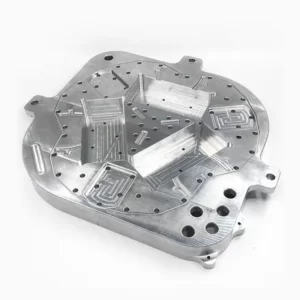
Rapid machining is perfect for creating functional prototypes. It lets companies test and refine designs quickly, catching potential issues early in the process.
Small Batch Production
It’s also ideal for small batch production, offering a cost-effective solution for low-volume needs. This is especially useful for niche products or testing a market before committing to large-scale production.
Applications Across Industries
Rapid machining is used in a wide range of industries:
- Aerospace: Companies are using 3D printing to produce lightweight, but durable parts that require precision accuracy and repeatability.
- Automotive: Businesses are using 3D printing to develop and test new components and prototypes quickly and inexpensively.
- Medical: Organizations are using 3D printing to manufacture patient-matched devices and implants with tight tolerances and strict material requirements.
- Other Industries: Additional companies in the electronics consumer goods and industrial equipment markets are using 3D printing for everything from high-speed manufacturing to creating one-of-a-kind custom prototypes.
Ensuring Quality in Rapid Machining
Precision and Tolerance Control
To make the tight tolerances required for rapid machining you need advanced technology and robust process control to hold the precision even at the increased speeds.
Quality Checks
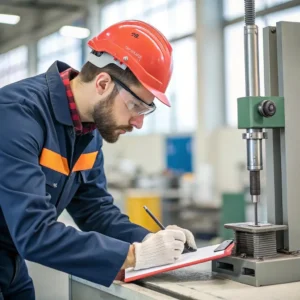
Regularly use dimensional checks and material testing to ensure parts meet your requirements. This quality control keeps defects to a minimum and guarantees the reliability of the parts.
Delivering Top-Notch Results
When you pair experienced machinists with top-notch equipment and quality checks you end up with parts flying out of the machine that meet or exceed industry norms and expectations for speed. It’s this combination of speed and quality that makes rapid machining so helpful.
What Makes a Great Rapid Machining Service?
Look to high precision excellent quality and fast turnaround times. On top of that the best services offer you expertise with a wide variety of materials as well as the ability to work with different forms of manufacturing.
How to Choose the Right Rapid Machining Provider?
Evaluating Capabilities
When you’re looking for a service to do rapid machining consider:
- Equipment and Tech: Look for people who have the most modern CNC machinery and the latest software to be able to handle your more complex projects.
- Materials and Processes: They need to be experienced with a wide variety of materials and be able to do different processes to fit your needs.
Experience and Reputation Matter
You want to choose somebody who has done this before and has a good reputation. Check out the testimonials people have given about their work and then look at some case studies to see how good and reliable they are.
Delivery Times and Pricing
Make sure they can get it done in the time frame you need. And shop around. Get some quotes. You want to make sure you get the best price for the highest quality work.
Tips for Choosing the Best Provider
When you go out looking read the case studies they have provided. Ask for some material samples and make sure they know what they‘re doing. Also make sure they respond to your questions quickly.
Rapid Machining: The Secret to Faster Product Development
Comparing the Two
Both rapid machining and 3D printing are a great fit for specificapplications. Rapid machining is perfect for producing high-precision,working parts from a variety of materials while 3D printing is great forcomplex geometries and prototyping with polymers.
When to Choose Rapid Machining?
Use rapid machining when you need high precision specific materialproperties or parts that need to endure stress. That’s why people oftenuse rapid machining to create functional prototypes or for small-batchproduction of end-use parts.
When to Choose 3D Printing?
3D printing is good for a lot of different things like making complexdesigns creating visual prototypes or parts made from specificmaterials. It’s pretty handy especially for early design work for doingquick iterations and testing.
Key Factors to Consider
When you’re trying to decide between the two think about whether youneed a specific material how precise your part needs to be how complexyour design is how many parts you’re making the functionality of thepart and on and on. Every method has its strengths and it can be limitingas well. So what’s best? It depends on the needs of your specific project.
Chansmachining’s Rapid Machining Services
- •Material Options: We work with aluminum steel brass copper and plastics among other materials to meet a wide array of project needs.•
- •State-of-the-Art Equipment: Our CNC machines and turning centers allowus to quickly and accurately produce your project regardless ofcomplexity.•
- •Wide Range of Processes: From milling and turning to drilling we offer afull line of machining services so you can get the high-quality partsyou need.
Conclusion
You need it to be fast. It’s essential for modern manufacturing. You need it to reduce lead times. You need it to create rapid prototypes. You need it to get your products to market faster. Whether you’re a small business or a big corporation you need it.