Understanding Metal Plating

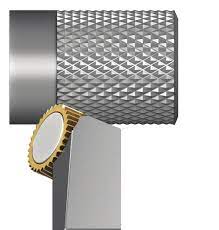
Metal plating is the application of a thin layer of metal to the surface of a substrate or workpiece. This procedure is commonly used to improve the appearance of materials and protect them against corrosion. Metals such as nickel, copper, and gold can be plated by electroplating or electroless plating, which offers advantages such as reduced corrosion, friction, improved conductivity, greater surface roughness, better paint adherence, solderability, and increased strength.
Steps in the Metal Plating Process
Step I: Pretreatment
The initial step in metal plating is to clean the metal’s surface and eliminate impurities. This guarantees a smooth and efficient plating procedure. Depending on the underlying material, cleaning may require one or more processes to remove all contaminants.
Step II: Checking Cleaning Effectiveness
The cleanliness of the plating surface is critical. The water break, reflectivity, and wipe tests can all help to ensure that the substrate is residue-free. The level of cleanliness required will be determined by the plating procedure used.
Step III: Setting Up the Plating Station
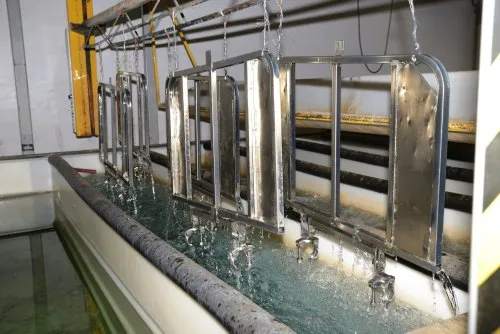
To prepare for electroplating, you’ll need a tank, a rectifier or direct current source, an anode, a cathode, and a compatible plating solution.
Step IV: Plating Process
Metal deposition begins when an electric current is applied. To create a thicker finish, expose the plating surface to the current for an extended period of time. Temperature, immersion duration, and voltage levels all play important roles.
Step V: Post-treatment
Following plating, post-treatment cleaning is required to improve the product’s qualities. Electrolytic polishing is a good approach for increasing corrosion resistance.
Step VI: Waste Disposal
Metal plating produces harmful heavy metals. To successfully limit environmental impact, plating wastewater must be treated prior to disposal.
Different Methods for Metal Plating
Electroplating

Electroplating is the process of depositing metal ions onto a workpiece using electric currents in an electrolyte solution. This process improves the item’s mechanical, chemical, and physical qualities by creating a homogeneous, smooth, and protective metal layer—the positive metal ions link with the workpiece, which has a negative charge in the circuit. Electroplating increases both the cosmetic and practical aspects of components in a variety of sectors.
Immersion Plating
Immersion plating involves immersing a metal workpiece in a chemical solution containing noble metal ions. This method forms a thin coating of noble metal ions on the workpiece, which is appropriate for silver, platinum, and gold. Immersion plating, albeit slower than electroplating, is extremely successful in coating metals with stable, noble metal ions, providing superior corrosion protection and improving the look of plated goods.
Electroless Plating
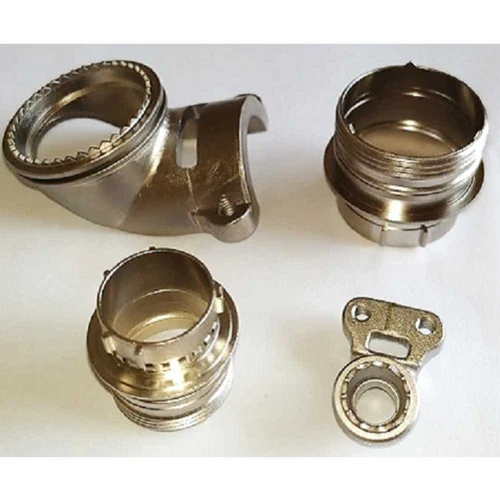
Electroless plating, also known as autocatalytic or chemical plating, employs a reducing chemical bath to deposit metals such as nickel, copper, silver, and gold without the need of an electric current. This technology is economical and appropriate for complicated surfaces with high corrosion resistance. Electroless plating is commonly employed in the oil and marine sectors, where components are subjected to extreme conditions, guaranteeing endurance and long-term protection.
Carburizing
Enhance your parts with our CNC machining and metal plating services. Contact ChansMachining today for superior quality and performance.
Carburizing hardens the metal surface while leaving the base metal soft. This procedure creates a thin, hard surface case, which improves the corrosion resistance and endurance of metal components. Carburizing is widely employed in industries where metal components must survive high wear and tear, offering a mix of surface hardness and core flexibility that is critical for long-term performance.
Plasma Spray Coating
Plasma spray coating involves spraying melted or softened material onto a surface. This technology is adaptable and useful for applications that need resistance to oxidation, wear, heat, abrasion, and electricity. Plasma spray coating is used in a variety of sectors, including aerospace and automotive, to preserve vital components and repair damaged parts, ensuring they work ideally even in difficult situations.
Physical Vapor Deposition (PVD)

PVD is the process of vaporizing and depositing a substance onto a substrate under vacuum. This procedure produces a thin, functional coating with high adhesion and quick deposition, which may be employed in a variety of industrial applications. PVD coatings are well-known for their durability and wear resistance, making them ideal for high-stress settings. Standard PVD processes include sputtering deposition and ion plating.
Standard Finishes in Metal Plating
Copper Plating
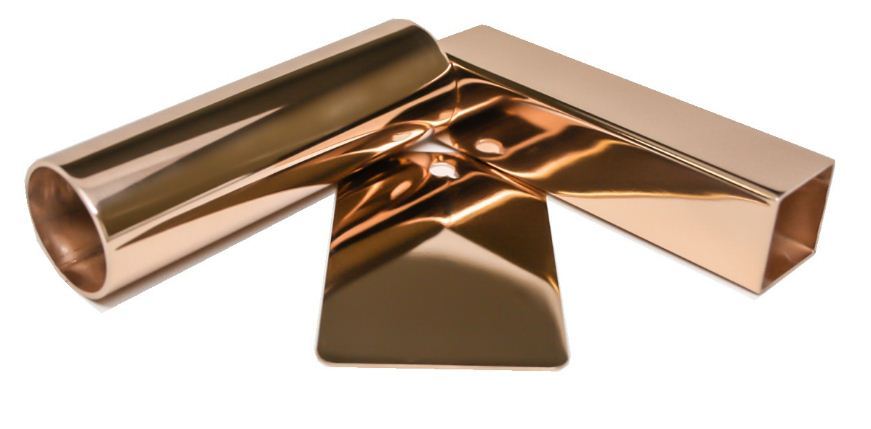
Copper plating is inexpensive and extremely conductive, making it an excellent choice for electronic components such as circuit boards. It has great plating efficiency and low material costs while delivering superior electrical conductivity and heat resistance. Copper plating is also utilized for ornamental purposes because of its appealing finish, which adds functional and aesthetic value to plated goods.
Chrome Plating
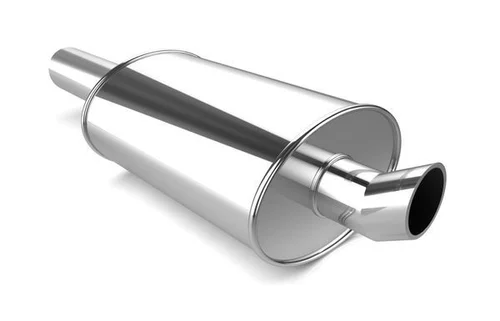
Chrome plating improves both aesthetic appeal and corrosion resistance and is widely utilized in industrial iron and steel parts applications. The procedure entails applying a coating layer using chromic acid and trivalent chromium baths. Chrome plating boosts the substrate’s hardness, making it ideal for repairing worn parts and boosting their longevity in demanding settings such as automotive and heavy machinery.
Tin Plating
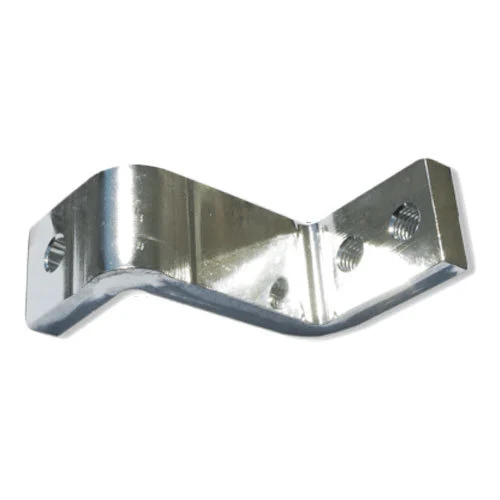
Tin plating is a low-cost electroplating process that works well for solderable applications. Tin is commonly available and less expensive than gold or platinum, making it a cheap plating material. Tin plating is frequently used in the electronics sector for components like connectors and terminals, requiring high conductivity and corrosion resistance.
Gold Plating

Gold plating is used in electronics and jewelry due to its strong conductivity and oxidation resistance. This procedure transmits the extraordinary qualities of gold to metals such as silver and copper, improving the performance and look of electronic connectors and decorative products. Gold plating offers superior electrical conductivity and corrosion resistance, making it perfect for high-reliability applications.
Rhodium Plating
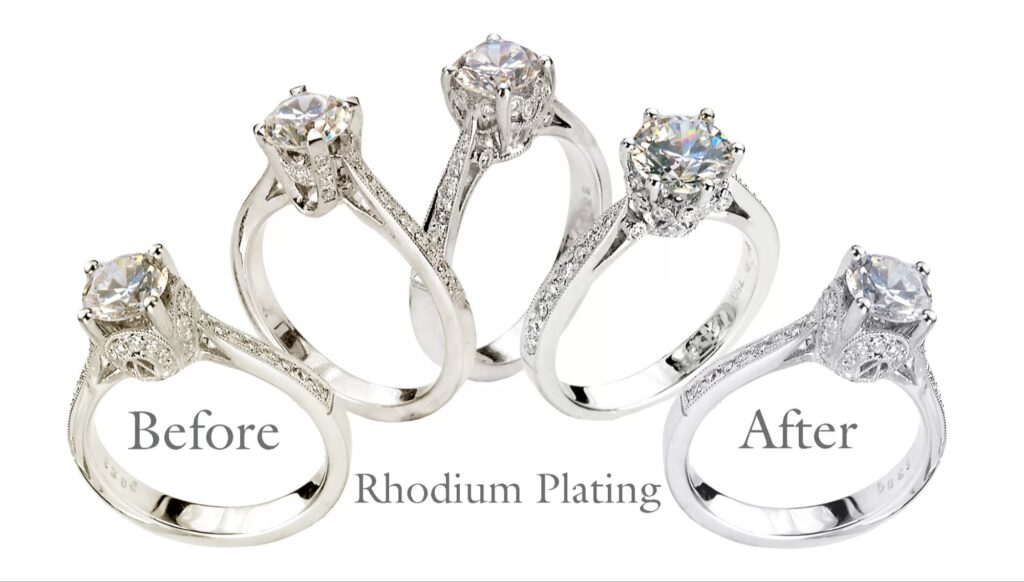
Rhodium plating produces a thin, shiny layer that improves the luster and longevity of jewelry. This plating technique, also known as rhodium flashing or dip, improves the light reflection and scratch resistance of jewelry, making it more beautiful and durable. Rhodium plating is widely used on white gold and silver jewelry to provide a bright, tarnish-resistant finish.
Nickel Plating
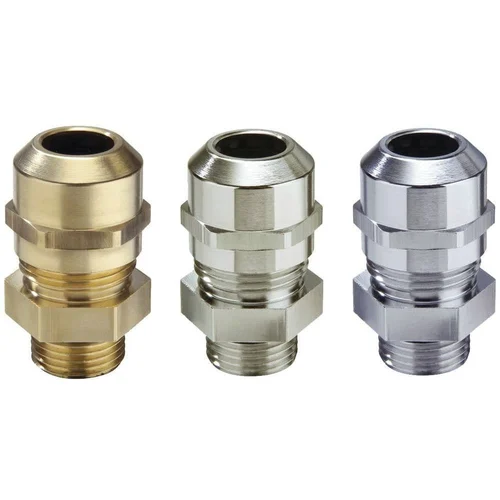
Nickel plating adds a protective covering to household items such as doorknobs and shower fittings, boosting both their appearance and wear resistance. Electroless nickel plating is valuable because of its consistent covering and corrosion resistance. This form of plating is frequently utilized in industrial applications that require a hard, permanent coating to endure harsh conditions and enhance component life.
Silver Plating
Enhance your parts with our CNC machining and metal plating services. Contact ChansMachining today for superior quality and performance.
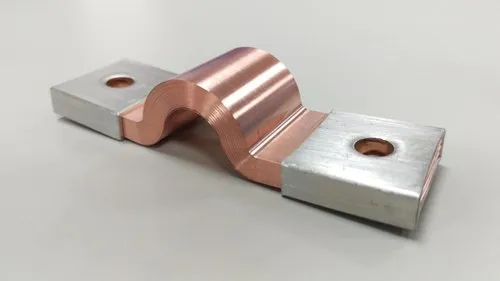
Silver plating improves visual appeal and electrical conductivity and is frequently used as a less expensive alternative to gold plating. It is appropriate for applications that need high conductivity, such as electrical connections or circuit boards. Silver plating is also utilized in ornamental applications, giving objects a bright, beautiful finish that adds value at a cheaper cost than gold.
Zinc Plating
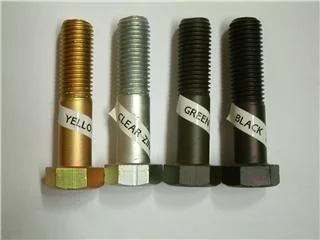
Zinc plating creates a flexible, galvanized coating that provides controllable thickness and uniformity to metal substrates. This procedure is often used to protect steel and iron parts from corrosion, hence increasing their service life. Zinc plating is inexpensive and frequently utilized in the automotive, construction, and appliance industries, where durability and resistance to environmental elements are critical.
Cadmium Plating
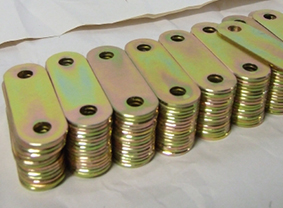
Cadmium plating creates a flexible, corrosion-resistant covering for components exposed to severe conditions. It is utilized on a variety of base metals, including aluminum, steel, copper, and iron, since it is highly malleable and easy to solder. Cadmium plating is often used on military and aerospace components like bolts and screws that require high dependability and performance.
Advantages and Drawbacks of Metal Plating
Benefits
- Increased Hardness and Strength: Metal plating increases the substrate’s resilience, making it more resistant to wear and mechanical damage.
- Aesthetic attractiveness: Metal plating enhances the visual attractiveness of objects, making them more appealing to customers.
- Cost-Effectiveness: Metal plating is a low-cost finishing procedure that produces significant performance gains.
- Environmental Protection: Metal plating forms a protective barrier around custom products, shielding them from environmental variables including UV light and corrosive materials.
- Material Compatibility: Metal plating finishes work well with a variety of materials, allowing for a wide range of applications across industries.
Limitations
- Time-Consuming Process: Metal plating is a time-consuming operation that may have an impact on manufacturing deadlines and efficiency.
- Risk of Cracking and Chipping: Plated surfaces are susceptible to cracking and chipping under certain situations, particularly in high-wear environments.
- Health Risks: Electroplating workers may be exposed to dangerous compounds such as hexavalent chromium, which can be hazardous to their health.
- Need for Expertise: Because of the process’s technical nature and potential hazards, engaging expert third-party services is frequently required, increasing overall costs and logistics.
Uses of Metal Plating in Different Industries
Automotive Industry
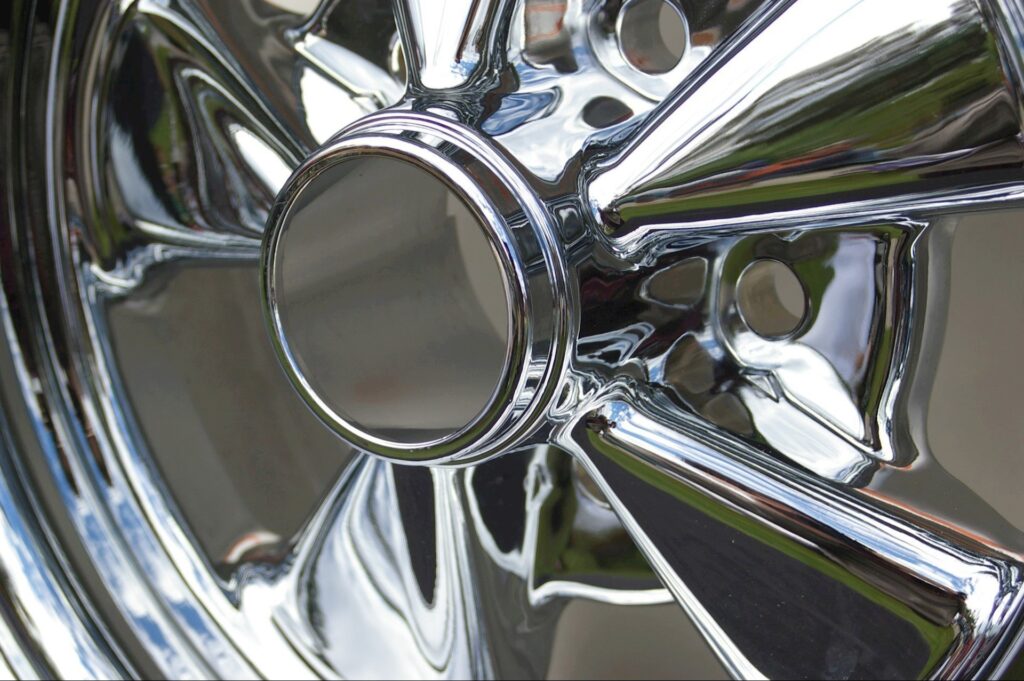
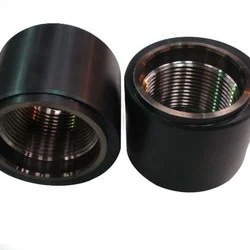
In the automotive business, electroplating is used to make unique parts and restore vehicles. Automotive electroplating allows the application of coatings such as chromium and nickel to motorcycle and car parts. These coatings improve not just the components’ endurance but also their aesthetic appeal. Furthermore, black oxide coating is employed on machined items because of its durability and appropriateness for a variety of applications.
Medical Industry
Metal plating enhances the surface roughness of medical components such as dental equipment, preventing deterioration. Electroplating guarantees that medical implants and tools are sterilization-compatible, hence increasing their lifespan and performance. This procedure is critical for maintaining the hygiene and functionality of medical equipment.
Aerospace Industry

Electroplating has favorable features in aerospace, where components require additional protection against corrosion and wear. Electroplating, by depositing a sacrificial coating, prevents corrosion and increases the lifespan of aviation components. This procedure is critical since aircraft components are routinely exposed to significant temperature variations and other external variables, necessitating strong protection for maximum performance.
Power Industry
In the electricity sector, metal plating improves the electrical conductivity of solar components and lines. Solar cell connections and antennae are electroplated with nickel, silver, and other metals to increase efficiency and performance. These plated components are critical to the power industry, providing consistent and efficient energy transmission and distribution.
Jewelry Industry

Electroplating is a common process in the jewelry industry for achieving cosmetic finishes, durability, and shine. Electroplating procedures are used by product designers and manufacturers to obtain the required look and durability for jewelry items such as pendants, rings, bracelets, and other accessories. Rhodium, gold, and silver platings are widely utilized to improve the appearance and wear resistance of these pieces.
Expert Tips for Successful Metal Plating
Tolerance for Material Thickness

To avoid concerns such as corrosion if too thin or cracking if too thick, monitor and regulate the thickness of the plating layer. Use specialist instruments, such as thickness gauges, to guarantee equal coating and keep thickness ranges below acceptable limits. Set up checkpoints to confirm plating tolerance requirements, particularly on surfaces with geometric complexities. Thickness control is critical to the quality and performance of the plated components.
Initial Conditions of Materials Before Plating
Before plating, make sure the material is plating-ready by removing impurities such as heat treatment scales, oil deposits, and oxides. Acid pickling, vapor blasting, and deoxidizers are all utilized as pretreatment techniques to efficiently prepare the surface. A clean surface is critical for the metal coating’s adhesion and success, as it prevents issues such as poor adhesion and flaws.
Selecting the Appropriate Metal Plating Method and Materials
The right metal plating technique and materials are critical for getting the desired results. Consider the product’s application, the type of base metal, and the appropriate plating substance. For example, electroplating is best for uniform coatings, but electroless plating is excellent for complicated geometries. Select high-quality plating materials to assure durability, functionality, and aesthetics, while avoiding poor adhesion and flaws.
Conclusion
Metal plating improves custom parts’ look, durability, and functionality across industries. Automotive, aerospace, jewelry, and medical industries benefit from metal plating’s different processes and finishes. Understanding processes and using professional recommendations that satisfy industry standards helps manufacturers produce high-quality outputs. Working with experts offers maximum metal finishing results.